

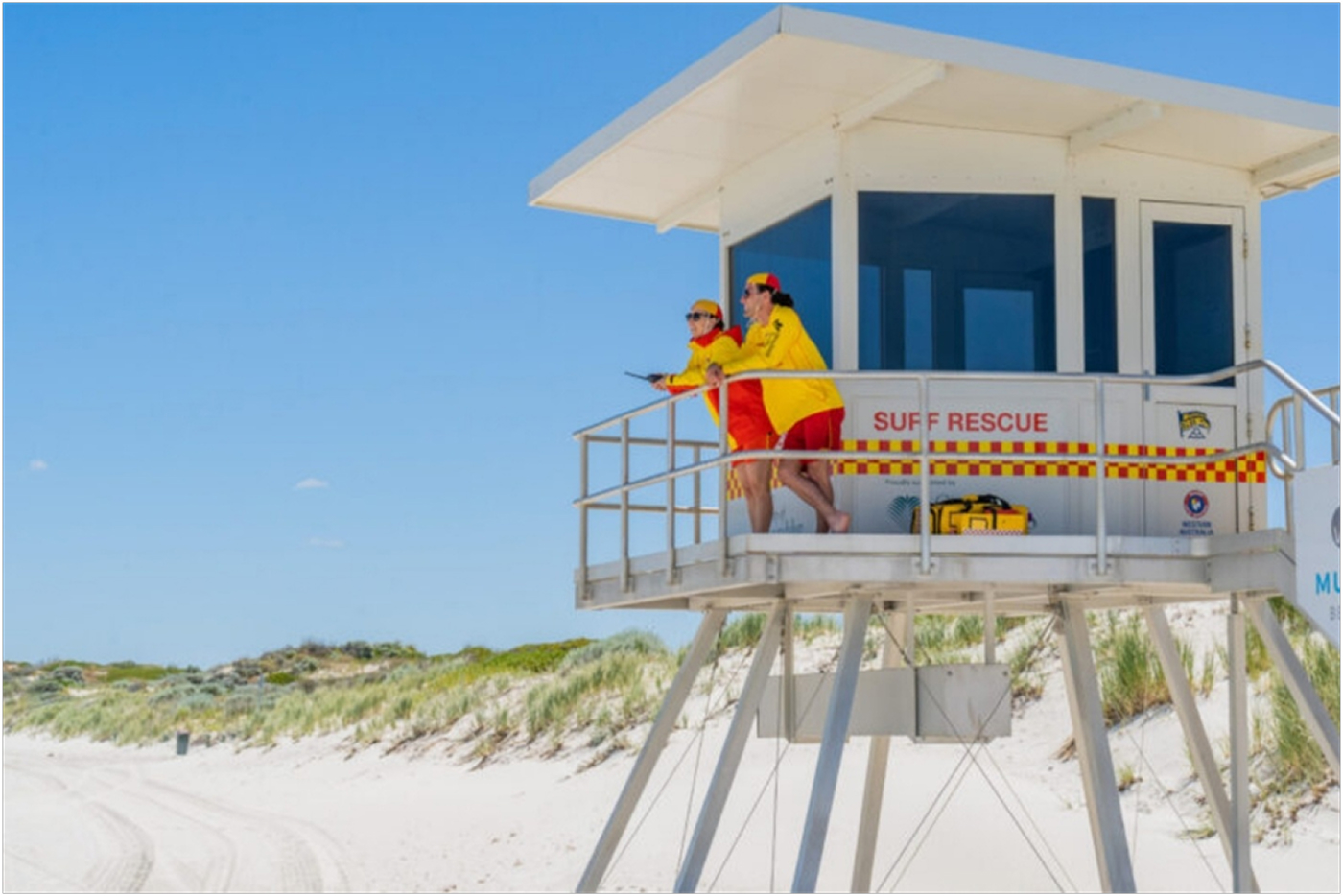
Perth summers are extreme. Learn how to recognise and treat heat exhaustion, heat stroke and dehydration using Australian Resuscitation Council guidelines. Essential reading for first aid training in Perth.
Perth summers aren’t just hot — they’re dangerous
If you’ve lived in Perth for any length of time, you already know summer here hits differently.
It’s not just the temperature — it’s the dry heat, long daylight hours, outdoor work, sport, beaches, FIFO travel, and people pushing through conditions they shouldn’t. Every summer in Western Australia, emergency services respond to preventable heat-related illnesses that escalate simply because people don’t recognise the early warning signs.
This is why seasonal first aid knowledge matters — and why first aid courses in Perth must reflect the conditions we actually face.
At First Aid Certified, we train first aid using Australian Resuscitation Council (ARC) and ANZCOR guidelines, with real Perth scenarios in mind — including heat exhaustion, dehydration and heat stroke.
Why heat-related illness is a serious risk in WA
Heat illness can affect anyone, but risk increases if you are:
- Working outdoors (construction, trades, FIFO, landscaping)
- Playing or coaching sport
- Caring for children or older adults
- Living with medical conditions (heart disease, diabetes)
- Dehydrated, fatigued or unacclimatised to heat
- Wearing PPE or heavy clothing
Importantly, heat exhaustion and heat stroke are medical emergencies, not “just feeling hot”.
Knowing the difference — and knowing what to do — can save a life.
Understanding dehydration: Understanding dehydration: the silent starter
Dehydration is often the starting point for more serious heat illness.
Common signs of dehydration
- Thirst
- Dark yellow urine or reduced urination
- Fatigue and weakness
- Headache
- Dizziness
- Dry mouth or lips
In Perth’s dry heat, people can become dehydrated without sweating heavily, which catches many off guard.
First aid for dehydration (ARC-aligned)
- Move the person to a cool, shaded area
- Encourage small, frequent sips of water
- Avoid alcohol, energy drinks or excessive caffeine
- Monitor for worsening symptoms
⚠ If vomiting, confusion or collapse occurs — escalate immediately and call 000.
Heat exhaustion: the warning stage
Heat exhaustion occurs when the body struggles to cool itself. If untreated, it can progress to heat stroke.
Signs and symptoms of heat exhaustion
- Pale, cool or clammy skin
- Heavy sweating
- Nausea or vomiting
- Muscle cramps
- Weakness or collapse
- Headache
- Dizziness or fainting
This is where first aid training in Perth becomes critical — because early action works.
First aid treatment for heat exhaustion
Following ANZCOR First Aid guidelines:
- Stop activity immediately
- Move the person to a cool, shaded or air-conditioned area
- Loosen or remove excess clothing
- Cool the person:
- Use fans
- Apply cool packs to neck, armpits and groin
- Sponge with cool water
- Give cool fluids if conscious and not nauseous
- Monitor closely
If symptoms do not improve within 20–30 minutes, or worsen, call 000.
Heat stroke: a life-threatening emergency
Heat stroke is a medical emergency where the body’s temperature regulation fails.
This is not something to “wait and see”.
Signs of heat stroke
- Hot, flushed skin (may be dry or sweaty)
- Altered level of consciousness
- Confusion, agitation or seizures
- Collapse or unconsciousness
- Very high body temperature
- Rapid pulse
First aid for heat stroke (urgent)
ANZCOR guidance is clear:
- Call 000 immediately
- Begin rapid cooling
- Ice packs to neck, armpits, groin
- Cool water immersion if available
- Fan aggressively
- Maintain airway and breathing
- Monitor until paramedics arrive
⊖ Do not delay cooling while waiting for an ambulance.
Children, older adults and heat risk
Some people are more vulnerable in Perth summers.
Children
- Smaller bodies heat faster
- Rely on adults for hydration and shade
- High risk during sport, playgrounds and car travel
Never leave a child in a parked car — even for minutes.
Older adults
- Reduced thirst sensation
- Chronic health conditions
- Medications affecting heat regulation
Regular checks, fluids and cool environments are essential.
Heat illness in the workplace (a Perth reality)
WA workplaces see heat-related incidents every summer, particularly in:
- Construction and trades
- Mining and FIFO
- Warehousing
- Landscaping and outdoor services
- Aged care and disability support
This is why workplace first aid training in Perth must include:
- Early recognition of heat stress
- Clear escalation procedures
- Knowledge of when to stop work
- Emergency response confidence
At First Aid Certified, we tailor training to your actual work environment — not generic examples.
How first aid training prepares you for summer emergencies
A quality first aid course in Perth doesn’t just teach theory — it builds decision-making under pressure.
In our courses, you practise:
- Assessing heat-related illness using DRSABCD
- Knowing when hydration is enough — and when it’s not
- Managing unconscious casualties
- Communicating effectively with 000
- Using real Perth summer scenarios
This confidence is what stops people freezing when it matters.
Why ARC-aligned training matters
The Australian Resuscitation Council (ANZCOR) regularly updates first aid guidelines based on evidence and real-world outcomes.
Training aligned with ARC ensures:
- Correct first aid priorities
- Up-to-date cooling methods
- Safe management of unconscious patients
- Clear escalation points
At First Aid Certified, our training reflects current best practice, not outdated myths.
How often should you refresh summer first aid skills?
ANZCOR recommends:
- CPR refresher every 12 months
- First Aid refresher every 3 years
But in high-risk, high-heat environments, annual refreshers are strongly encouraged.
Summer is the perfect reminder that skills fade — and emergencies don’t wait.
Who should read this blog (and book training)?
This information is essential if you are:
- A parent or carer
- A sports coach or volunteer
- A tradie or outdoor worker
- An aged care or disability support worker
- A teacher or educator
- An employer responsible for staff safety
If that’s you, first aid training in Perth isn’t optional — it’s responsible.
Book your Perth first aid course before the next heatwave
Heat-related emergencies happen fast — and they happen every summer in WA.
By training with First Aid Certified, you gain:
- ARC-aligned, nationally recognised skills
- Practical, Perth-relevant training
- Confidence to act early and correctly
- Certification that employers trust
? Book your First Aid Course in Perth today with First Aid Certified — and be ready when summer pushes people past their limits.

