

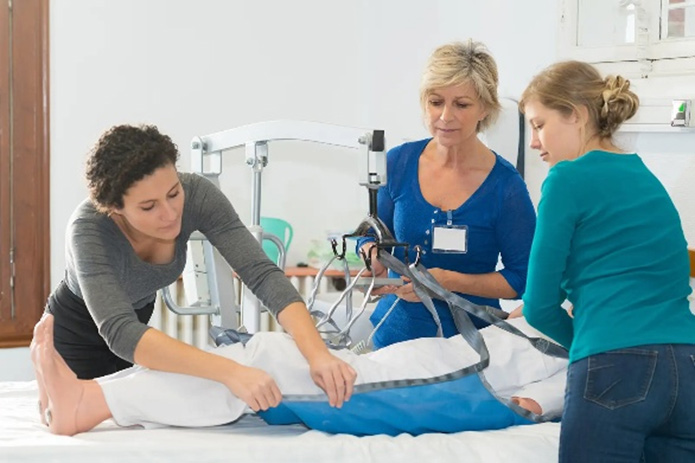
Introduction: Why Manual Handling Training in Perth Is Essential in Care Environments
In healthcare and disability support settings across Perth, manual handling is part of everyday work.
But here’s the reality – incorrect manual handling is one of the leading causes of workplace injuries in Australia, especially among:
- Nurses
- Aged care workers
- Disability support workers
- Carers
Lifting, repositioning, and transferring clients without the right technique—or without using proper equipment—can result in serious injuries for both workers and patients.
That’s why completing a Manual Handling Course in Perth (Care Environment) is not just recommended—it’s essential.
What Is Manual Handling in a Care Environment?
Manual handling in healthcare involves:
- Lifting or transferring patients
- Assisting with mobility
- Repositioning in beds or chairs
- Using specialised lifting equipment
Unlike general workplaces, care environments require safe, controlled, and dignity-focused handling techniques.
Why Lifting Equipment Matters in Healthcare
Gone are the days of manually lifting patients without assistance.
Today, best practice across Australia promotes:
???? “No lift” or “minimal lift” policies
This means using equipment wherever possible to:
- Reduce injury risk
- Improve patient safety
- Maintain dignity and comfort
- Increase efficiency
Common Types of Manual Handling Equipment Used in Care Settings
Understanding equipment is a core part of any manual handling training in Perth.
1. Hoists (Patient Lifting Machines)
One of the most important tools in healthcare.
Types of Hoists
- Mobile hoists
- Ceiling hoists
- Standing hoists
Used For:
- Transferring patients from bed to chair
- Lifting patients with limited mobility
Why They Matter
- Reduce strain on workers
- Prevent falls and injuries
2. Slide Sheets
A simple but highly effective tool.
Used For:
- Repositioning patients in bed
- Reducing friction during movement
Benefits:
- Minimises physical effort
- Prevents skin damage to patients
3. Transfer Belts (Gait Belts)
Worn around the patient’s waist.
Used For:
- Assisting patients to stand or walk
- Supporting balance
Benefits:
- Provides better control
- Reduces risk of falls
4. Transfer Boards
Also known as slide boards.
Used For:
- Moving patients between surfaces (e.g. bed to wheelchair)
Benefits:
- Smooth transfers
- Less lifting required
5. Standing Aids
Designed for patients who can partially bear weight.
Used For:
- Helping patients move from sitting to standing
Benefits:
- Encourages independence
- Reduces caregiver strain
6. Wheelchairs and Mobility Aids
Not just transport—part of safe handling.
Includes:
- Wheelchairs
- Walkers
- Rollators
7. Adjustable Beds and Chairs
Often overlooked but critical.
Benefits:
- Reduce bending and strain
- Allow safer positioning
Why Nurses and Carers Must Know How to Use Equipment Properly
Having equipment is one thing—using it correctly is another.
Improper use can:
- Cause injury to staff
- Harm patients
- Lead to workplace incidents
- Result in legal consequences
Key Risks of Poor Manual Handling
- Back injuries
- Muscle strains
- Long-term disability
- Increased sick leave
- Staff burnout
This is why manual handling training for carers and nurses in Perth is so important.
Who Needs Manual Handling Training in Perth?
If you work in a care environment, this training is essential.
Target Roles
- Nurses
- Aged care workers
- Disability support workers
- NDIS providers
- Home care workers
- Personal carers
What You Learn in a Manual Handling Course (HLTWHS005)
A quality Manual Handling Course in Perth will teach:
- Safe lifting techniques
- Risk assessment before movement
- Correct use of lifting equipment
- Team handling procedures
- Workplace safety responsibilities
Real-World Application: Care Environment Scenarios
Training focuses on practical situations such as:
- Assisting a patient from bed to wheelchair
- Repositioning in bed using slide sheets
- Using a hoist safely
- Supporting clients with limited mobility
This hands-on approach ensures workers are confident and competent on the job.
The Importance of Manual Handling Training in Disability Support
In disability support settings, manual handling becomes even more critical.
Clients may:
- Have complex mobility needs
- Require full assistance
- Use specialised equipment
Without proper training, risks increase significantly for both worker and client.
Workplace Safety and Legal Responsibilities in WA
Employers and workers in Western Australia have a legal duty to:
- Provide safe working environments
- Use appropriate equipment
- Follow safe work practices
Failing to follow proper manual handling procedures can lead to:
- Workplace injuries
- Compensation claims
- Legal consequences
Common Manual Handling Mistakes to Avoid
Even experienced workers can develop bad habits.
Avoid:
- Lifting without equipment
- Poor posture
- Rushing tasks
- Not assessing risks
- Working alone when assistance is needed
Local Perth Focus: Why This Training Is Critical
Perth’s growing healthcare and disability sectors mean increasing demand for skilled workers.
Manual handling training ensures:
- Compliance with WA safety standards
- Reduced workplace injuries
- Better patient outcomes
- Professional confidence
Conclusion: Protect Yourself While Caring for Others
Caring for others should never come at the cost of your own health.
The Manual Handling Course Perth (Care Environment) equips you with:
- Practical skills
- Safety knowledge
- Confidence to use equipment correctly
Because the safest way to care for others… is to first protect yourself.
Looking for a Manual Handling Course in Perth?
At First Aid Certified, we deliver nationally recognised HLTWHS005 – Conduct Manual Tasks Safely (Care Environment) training.
✓ Hands-on equipment training
✓ Real healthcare scenarios
✓ Experienced trainers
✓ Convenient Perth location
Book your Manual Handling Course in Perth today and learn how to use lifting equipment safely and confidently.

