

Be Sun Smart: How to Prevent Sunburn, Provide First Aid, and Know When to Seek Medical Assistance
Australia is known for its beautiful weather, stunning beaches, and outdoor lifestyle—but it also has some of the highest UV radiation levels in the world. In Perth especially, the hot climate means sunburn can happen faster than many people realise. Whether you spend your days outdoors, have children who love playing outside, or simply enjoy the occasional beach trip, being sun smart is essential.
As a provider of First Aid Courses in Perth, we regularly teach students how to recognise, treat, and prevent sunburn. In this guide, we’ll walk you through everything you need to know about staying safe in the sun, giving effective First Aid for sunburn, and knowing when it’s time to seek medical attention.
For more information or to book a course, visit stage.firstaidcert.com.au/
Why Being Sun Smart Matters
Sunburn isn’t just temporary redness or discomfort — it’s skin damage caused by UV radiation. Even mild sunburn increases the risk of:
- Premature ageing
- Pigmentation changes
- Eye damage
- Immune system suppression
- Skin cancer, including melanoma
Just a few serious sunburns during your lifetime can significantly increase your risk of developing skin cancer. This is why sun safety is a key concept taught in every First Aid Course in Perth.
Understanding UV: The Number One Cause of Sunburn
Many people think hot weather causes sunburn, but temperature has nothing to do with UV radiation. You can burn:
- On cool days
- Through clouds
- Even while sitting in the shade if UV levels are high
The UV Index tells you how strong the sun’s ultraviolet rays are. A UV Index of 3 or above means sun protection is needed. In Perth, UV levels often exceed 10, even in spring and early autumn.
How to Be Sun Smart
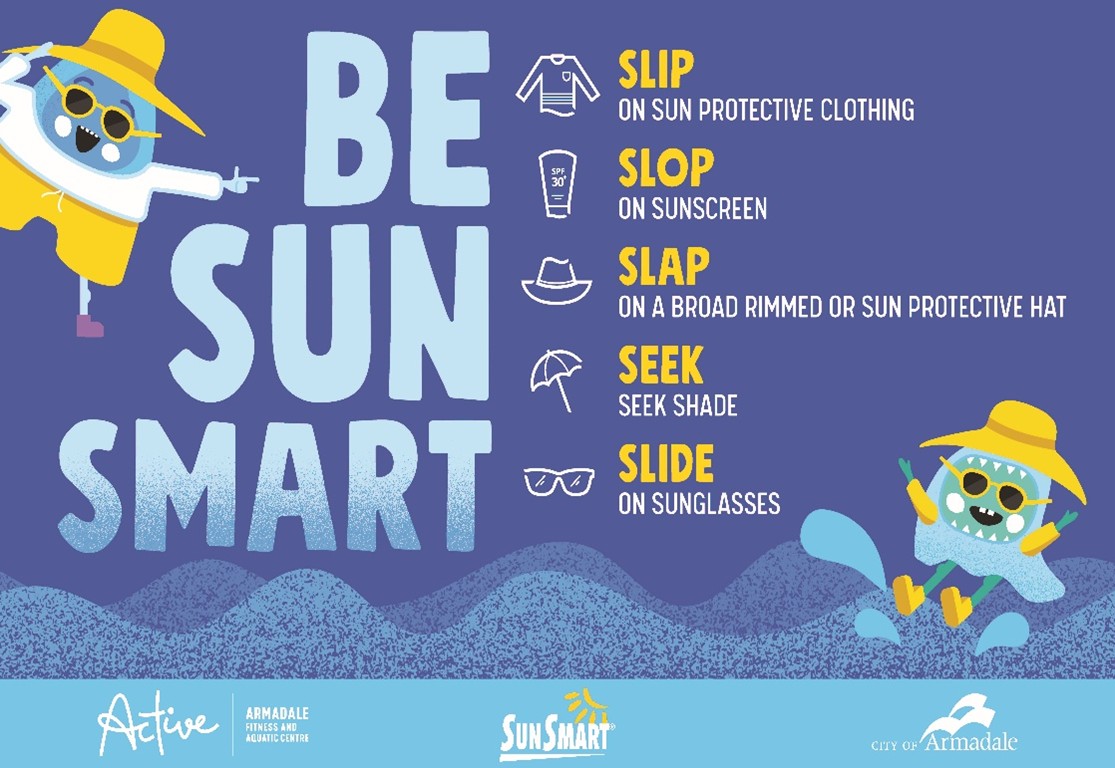
Being sun smart is about combining protective behaviours to reduce UV exposure. In Australia, we follow the well-known Slip, Slop, Slap, Seek, Slide approach:
1. Slip on Protective Clothing
Choose:
- Long-sleeved shirts
- Tightly woven fabrics
- Clothing with UPF (Ultraviolet Protection Factor)
Clothing is your first line of defence.
2. Slop on Sunscreen
Use a broad-spectrum SPF 30+ or 50+ sunscreen and apply it:
- 20 minutes before going outside
- Liberally (most adults need a full teaspoon per limb)
- Reapply every 2 hours
- Reapply after sweating or swimming
3. Slap on a Hat
A hat should protect your:
- Face
- Ears
- Neck
Choose broad-brimmed or legionnaire-style hats for best coverage.
4. Seek Shade
Use shade to reduce direct UV exposure:
- Umbrellas
- Trees
- Shelters
- Buildings
Remember that UV can reflect off sand, water, and buildings.
5. Slide on Sunglasses
UV exposure can lead to long-term eye damage. Make sure your sunglasses meet Australian Standard AS/NZS 1067.
Recognising Sunburn: Signs and Symptoms
Sunburn symptoms usually appear 2–6 hours after UV exposure and worsen over 24 hours. They may include:
- Red, warm, or tender skin
- Pain or stinging
- Swelling
- Blistering
- Headache
- Fever or chills in severe cases
- Nausea or fatigue
Severe sunburn can be classified as a first-degree (red, painful) or second-degree burn (blisters, severe swelling).
If you complete a First Aid Course Perth, you’ll learn how to assess burns, recognise complications, and respond correctly—skills especially important during summer.
First Aid for Sunburn: Step-by-Step Guide
Here is the correct First Aid treatment for sunburn, following Australian guidelines:
1. Move Out of the Sun Immediately
Get the person into:
- Shade
- A cool indoor area
- Air conditioning
Further UV exposure will worsen the burn.
2. Cool the Burn
Use cool running water for 20 minutes.
If that’s not possible, use:
- Cool compresses
- Wet towels
- A cool shower
Avoid ice or ice packs directly on skin, as they may cause further damage.
3. Hydrate
Encourage the person to drink water. Sunburn draws fluids to the skin surface, increasing the risk of dehydration.
4. Apply After-Sun Care
Use:
- Aloe vera gel
- Moisturising lotion
- Non-perfumed moisturisers
These help soothe pain and reduce peeling.
Avoid petroleum jelly or oils, as they can trap heat.
5. Manage Pain
Over-the-counter medications may help, such as:
- Ibuprofen (anti-inflammatory)
- Paracetamol (pain relief)
Topical hydrocortisone cream may also reduce inflammation (follow directions or consult a pharmacist).
6. Protect the Skin While Healing
- Stay out of the sun until healed
- Cover the area with lightweight clothing
- Avoid bursting blisters—this increases infection risk
If blisters pop on their own, apply sterile dressing.
When to Seek Medical Attention for Sunburn
Most mild sunburn can be treated at home. But serious sunburn requires medical attention. Seek help immediately if the person has:
Severe blistering over a large area
Indicates a deeper, more serious burn.
Signs of infection
- Pus
- Increased redness
- Heat
- Swelling
Fever, chills, vomiting, or dizziness
These may indicate sun poisoning or heat illness.
Severe pain that doesn’t improve
Persistent intense pain may require professional treatment.
Dehydration
Symptoms include:
- Dry mouth
- Dark urine
- Extreme thirst
- Confusion
A baby or young child with sunburn
Children burn faster and more severely than adults. Always seek medical advice.
If in doubt, call your local medical provider or 000 in emergencies.
Preventing Sunburn in Children
Children are at higher risk due to their delicate skin. To keep children safe:
- Dress them in UPF-rated swimwear
- Use mineral sunscreen for sensitive skin
- Reapply sunscreen every 2 hours (more often if swimming)
- Avoid direct sun exposure between 10 am–3 pm
- Use prams with built-in UV covers
Teaching kids to be sun smart early helps them establish habits that last a lifetime.
Learn More in a First Aid Course in Perth
If you would like hands-on training in recognising burns, treating sunburn, managing emergencies, and responding confidently in any first aid situation, enrol in one of our First Aid Courses Perth.
We offer:
- HLTAID011 – Provide First Aid
- HLTAID009 – Provide CPR
- Family and workplace first aid options
- At-home first aid training across Perth
- Manual handling and fire safety training
You’ll learn how to assess injuries, manage burns, respond to emergencies, and keep yourself and your family safe.
Final Tips for Staying Sun Smart
- Check the UV Index every day
- Use sun protection when UV is 3 or above
- Keep sunscreen in your car, bag, and workplace
- Don’t rely on shade alone
- Reapply sunscreen more often than you think
- Learn basic first aid so you’re prepared for sunburn and heat-related emergencies
Being sun smart saves skin—and lives. With the right knowledge and preparation, you can enjoy Perth’s beautiful weather safely and confidently.
Want to Learn More About First Aid?
Visit our website to book your next course:
stage.firstaidcert.com.au/
Stay safe, stay sun smart, and protect your skin all year round.

